The Alden Triangle
Historical Research Project | Winter 2025 - 2026
Background
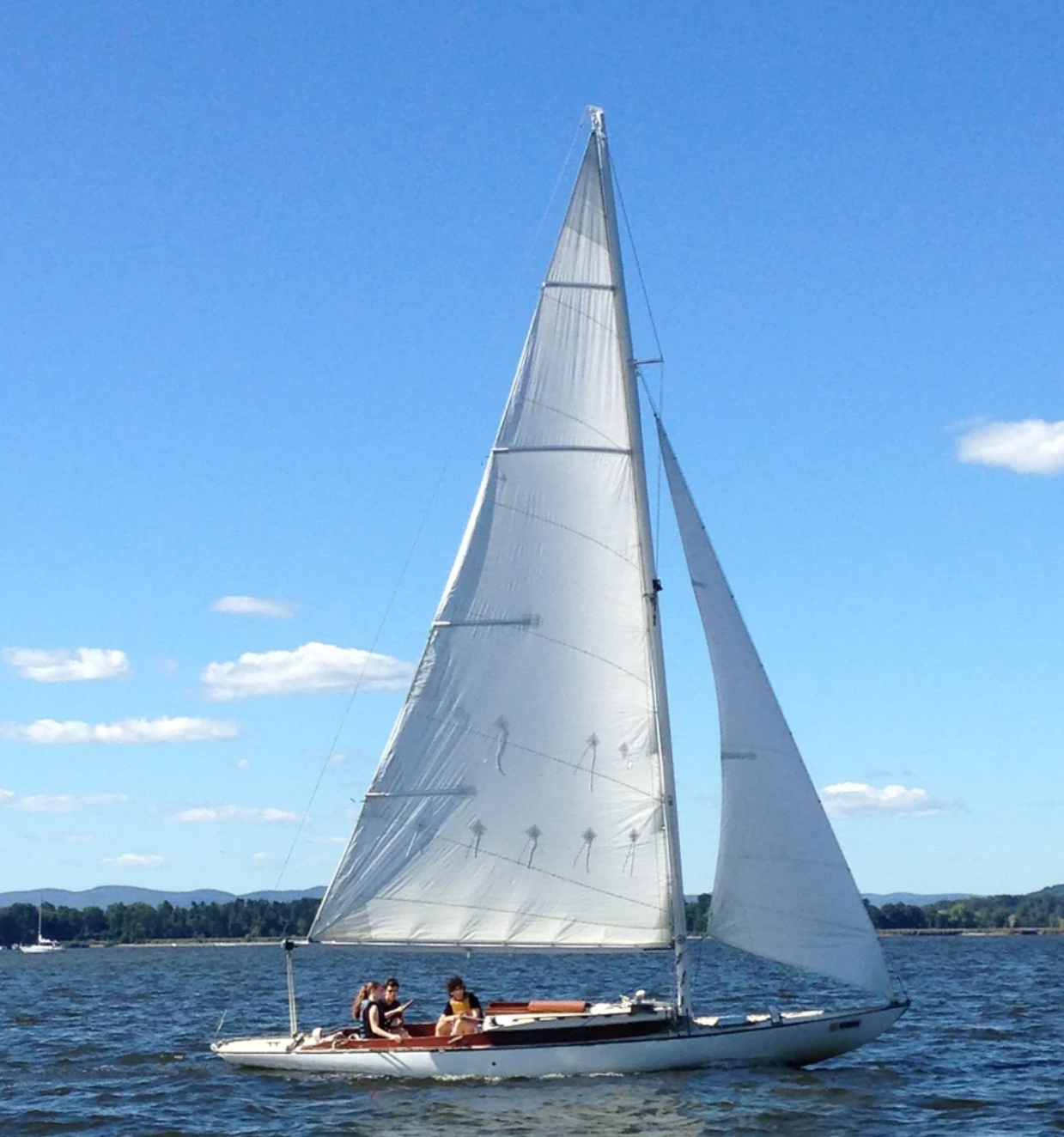
In 2015, I was part of a Sea Scout Ship that owned and maintained a gorgeous sailboat, a 1929 Alden Triangle named “Belle”. She is beautifully balanced, fast, and one of the most gorgeous designs I have ever seen. I learned how to work on boats on “Belle”, as well as seamanship, the responsibilities of owning a yacht, and gained an appreciation for classic yachts.
In 2025, after connecting with an Alden Triangle owner by happenstance, I wondered, “How many Triangles remain?”. As of this writing, I was able to connect with owners of 5 Triangles, with good leads on 3 more. If you have any information about the whereabouts of an Alden Triangle sailboat , no matter how anecdotal, please reach out to me by email at mearle327@gmail.com.
History
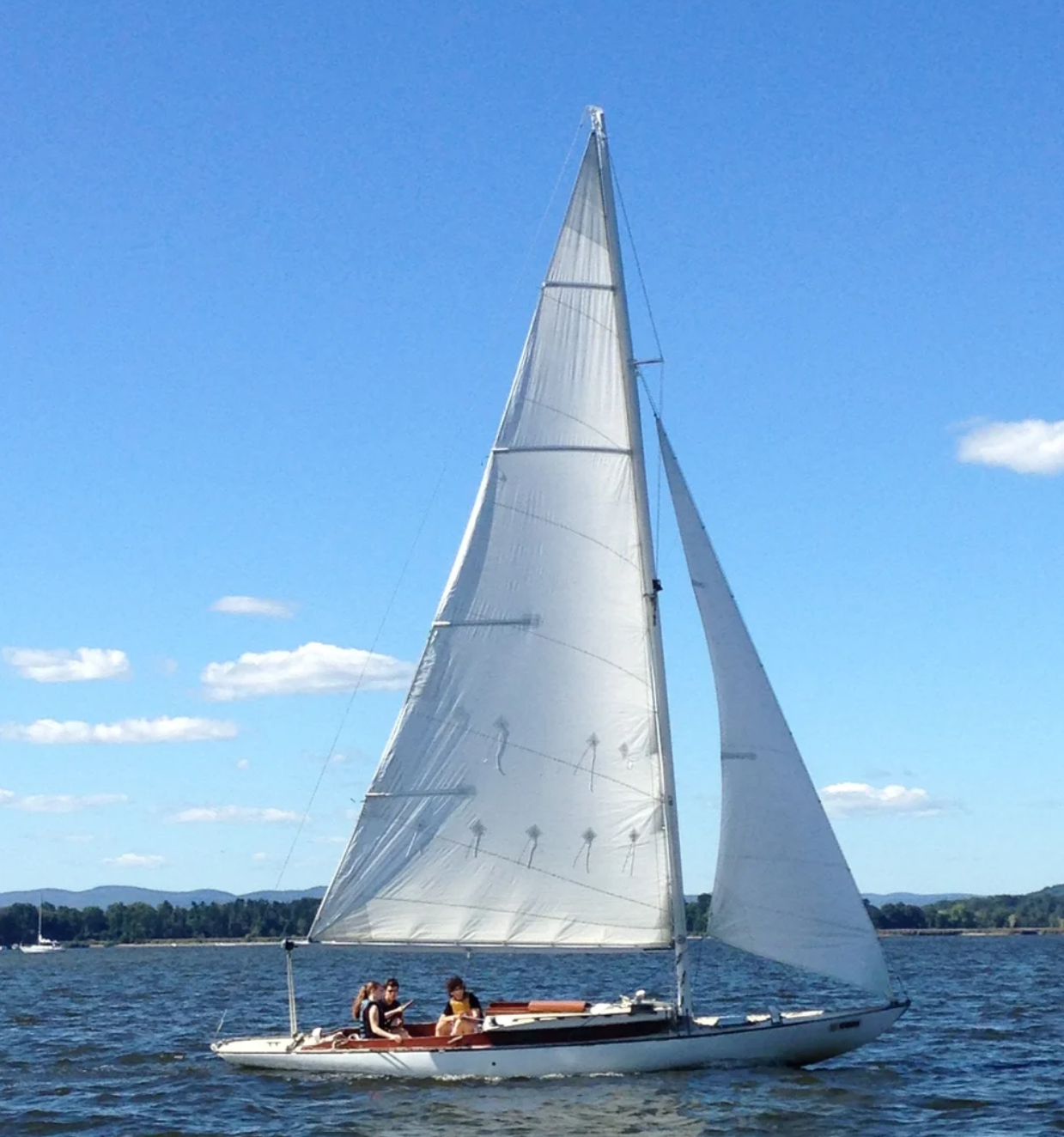
The Alden Triangle was designed in 1925 by prolific yacht designer John G. Alden, who was best known for his Malabar designs in offshore racing. The Triangle was a one-design answer to the Universal Rule designs being sailed in Marblehead, MA in the early 1920’s. The “Triangle” represents the three prominent yacht clubs in Marblehead: the Eastern, Corinthian, and Boston Yacht Clubs. Around 60 Triangles were originally built. After significant research, I was able to connect with the owners of 5 Triangles (4 in “ready to sail” shape, 1 under restoration). Therefore, I estimate that between 8 and 12 Triangles remain today.
MIT Museum
The plans for the Alden Triangle are currently kept by the Hart Nautical Collection within the MIT Museum. I visited the original plans, and was stunned by the breathtaking clarity and detail in the construction and sail plans. The plans are controlled by MIT and I am not allowed to publish them, but I was able to learn and verify a number of important details about the design. The specifications are listed below for public reference.
Some interesting findings:
The designs are conflicting about the overall length and waterline length. The September 8th 1925 sail plan clearly lists it as an 18’ 5” waterline knockabout and states its overall length as 28’ 5”. However, the Lines diagram dated October 1925 clearly states its overall length at 28’ 6”. Since the Lines diagram is a later revision, I personally accept this as the overall length. Multiple online sources list the overall length as 28’ 6”
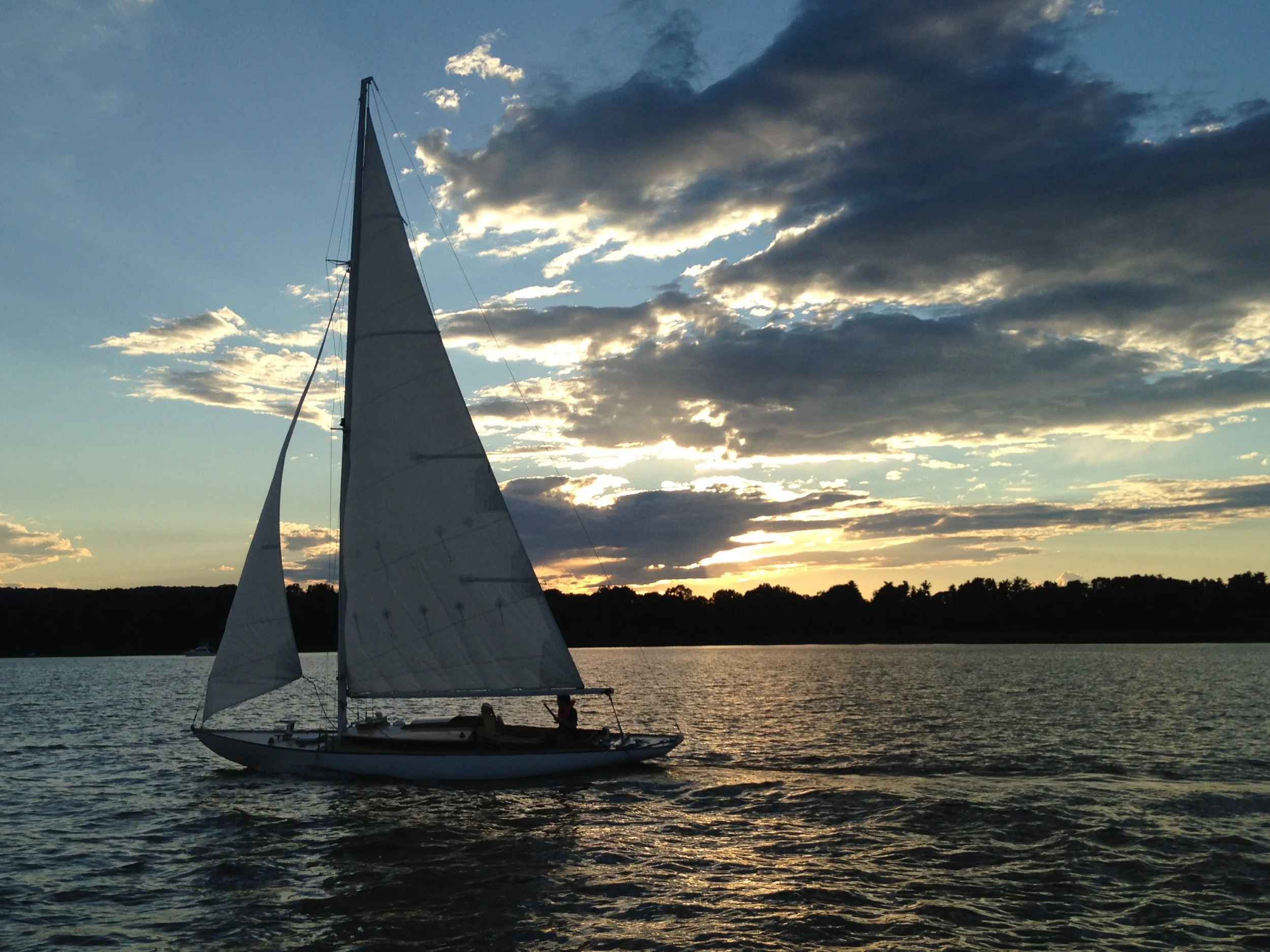
The rig was revised on January 20th, 1958, notably to reduce the length of the boom to allow for a backstay. The updated rig can be seen in the color image on the left. Some photos of the original rig can be seen here: Link 1, Link 2, Link 3. The double forestays were replaced with a single forestay and an upper set of forward spreaders to control mast bend. The mainsail area was reduced from 335 square feet to 271 square feet, and the jib area increased from 72.5 square feet to 96 square feet.
As can be seen in the photos linked above, the spinnaker halyard comes out slightly below the forestay. This is a curious arrangement, since it means that when gybing, the spinnaker would have to pass “under” the forestay, that is, through the triangle formed by the forestay, mast, and deck. This seems to be alleviated in the 1958 sail plan revision.
Specifications, per original drawings
Length Overall: 28’ 6” listed in the October 1925 lines diagram. 28’ 5” listed in the original September 1925 sail plan.
Waterline Length: 18’ 5”
Beam: 7’ 6”
Draft: 4’ 9”
1925 Mainsail Area: 335 sq. ft.
1925 Jib Area: 72.5 sq. ft.
1925 Spinnaker Area: 261 sq. ft
1958 Mainsail Area: 271 sq. ft
1958 Jib Area: 96 sq. ft
Ballast: Approx. 2500 lbs. lead, secured with 6X Tobin Bronze keel bolts
Rig Information: Fractional Bermuda-rigged sloop. Mast height 37’ 6” from deck. Self-tacking jib on boom. Symmetrical spinnaker. Double forestay in the original rig, single forestay on 1958 revision.
Construction Information: Carvel planking, 3/4” Cedar over white oak frames. House sides, main bulkhead, and trim are mahogany. Deck is 3/4” pine or cedar, canvas covered. Rudder is white oak.